Business Licenses and Permits: How to Find Requirements
Answer: A business licence is permission to do a specific thing, in a specific place, under specific conditions — and it is not the same as registering your business, which only creates the legal entity. Requirements are set at four levels in the United States (federal, state, local and professional), and this guide explains how to find which ones apply to you.
A business licence is permission to do a specific thing, in a specific place, under specific conditions. Registering your business creates the legal entity; licences and permits are what allow that entity to trade. Many new owners confuse the two, and the confusion is expensive: opening without a required licence can mean fines, forced closure, or a licence application delayed for weeks while rent is already being paid. This guide explains the four layers of licences and permits in the United States, how to find which ones apply to you, and how to keep them current. It does not list fees or processing times, because they vary by state, city and industry and change often — the official sources linked here are where you check the current figures.
This guide is general educational information, not legal advice. Licensing rules depend on your industry, your state and your local area. Check the official sources linked here, or speak to a licensed attorney, before you start trading.
What licences and permits actually are
A licence is usually an ongoing permission to carry on an activity — for example, a general business licence from your city, or a professional licence to practise law. A permit is usually permission for a specific act or change — for example, a building permit to fit out a shop, or a sign permit to put up a shopfront sign. The words are sometimes used interchangeably, and different states and cities use them differently, so focus on what each document allows you to do rather than on its name.
There is no single master list of licences for all businesses. Requirements are set at four levels — federal, state, local and professional — and your business may need documents from all four. The only reliable way to find your list is to work through the levels one by one, using the official sources for each. Third-party sites that promise a complete licence list for a flat fee are not official sources; the SBA’s licences and permits guide is the free starting point.
If you have not registered your business yet, do that first: most licence applications ask for your registered business name and your Employer Identification Number (EIN). See our guide How to Start a Small Business for the earlier steps.
The four layers at a glance
| Layer | Who issues it | What it covers | Example |
|---|---|---|---|
| Federal | Federal agencies | Activities regulated nationally | Alcohol, firearms, aviation, broadcasting |
| State | State agencies | State-level permission to trade | State business licence, sales tax permit |
| Local | City or county | Permission to operate at a place | City business licence, zoning approval |
| Professional | State licensing boards | Permission to practise a profession | Medical, legal, accounting, contracting |
Most small businesses need state and local documents. Only a few industries need federal licences. Professional licences apply only if your work is a regulated profession. Work through the table from the top down, and keep a written list of what you find at each level.
Federal licences and permits
Most businesses never need a federal licence. The SBA lists the activities that do, and they are a narrow set: agriculture, alcohol, aviation, firearms and explosives, fish and wildlife, mining and drilling, nuclear energy, radio and television broadcasting, and transportation and logistics. If your business is not in one of these areas, you can usually skip the federal layer — but check the SBA’s list rather than assuming, because some activities are federally regulated in ways that are not obvious. For example, a business that imports goods, handles certain chemicals, or broadcasts may fall under a federal agency even though it looks like an ordinary small business.
Where a federal licence is needed, it is issued by the relevant federal agency, not by the SBA. The SBA’s guide names the agency for each activity. Apply early: federal applications often involve background checks or inspections, and they are not quick. Keep the federal documents separate from state and local ones, because renewal dates and conditions differ.
State licences and registrations
State requirements are the layer most new owners underestimate. Many states require a general business licence or registration to trade, and on top of that, specific industries need state permits: food service, childcare, construction, health care, finance, transport and retail are common examples. Some states also require a sales tax permit (sometimes called a seller’s permit or resale certificate) before you can sell taxable goods, and a separate employer registration once you hire staff.
Start with your Secretary of State’s website for business registration, then your state’s department of revenue for tax permits, then the state agency that regulates your industry. Most states now publish a business licence search or a “one-stop” business portal that lists requirements by business type — use it, and save or print the results, because the list it gives you becomes your working checklist. If your state has no single portal, the SBA’s licences and permits guide links to state resources.
Remember that state rules follow where you operate, not only where you registered. If you sell, deliver or employ people in another state, that state may require its own registration or permit. This is easy to miss for online businesses that ship nationwide, so check the states where your customers and staff actually are.
Local licences, zoning and home businesses
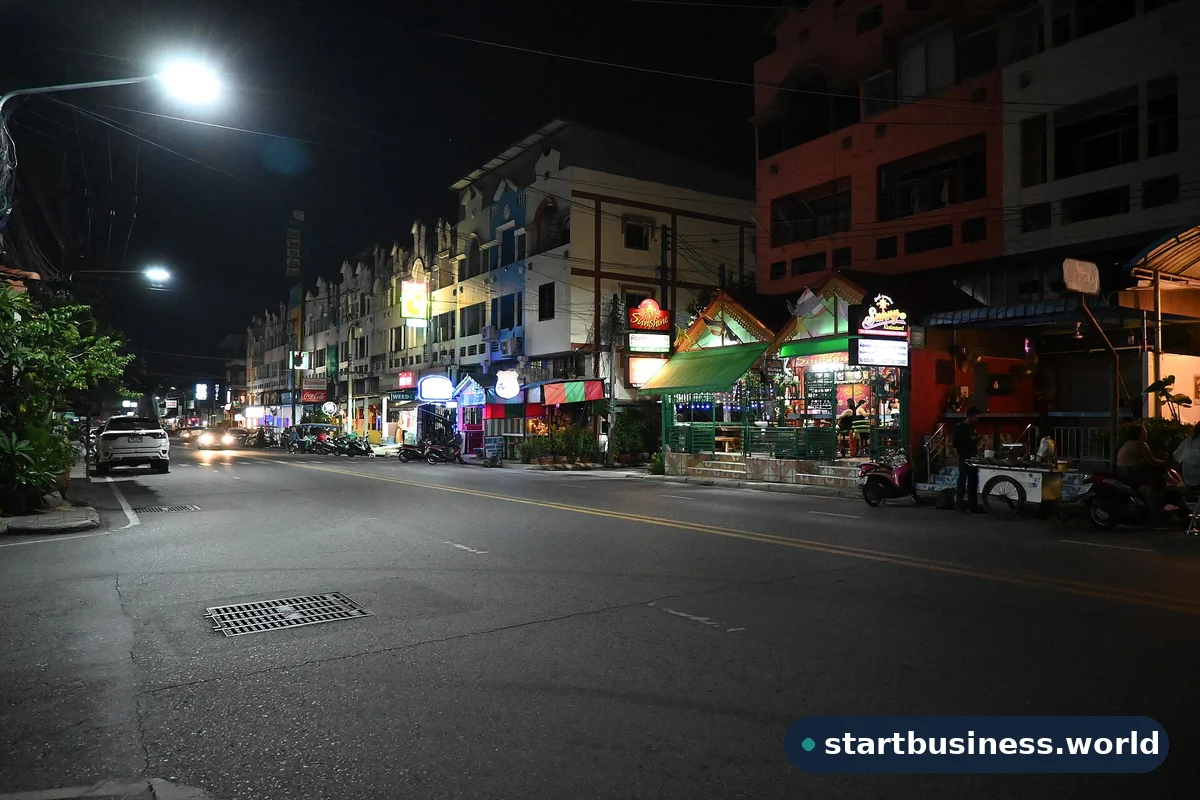
Your city or county controls whether a business may operate at a particular address. This is the zoning layer, and it catches more new businesses than any other. A city business licence (sometimes called a business tax receipt or occupational licence) is required in many cities and counties, and it is separate from any state licence. On top of that, zoning rules decide what kinds of business can operate in each area: a shop in a retail zone is straightforward; a workshop in a residential street usually is not.
Home-based businesses need particular care. Many cities allow home businesses with conditions — limits on signage, parking, visitors, noise and storage — and some require a home occupation permit. A homeowners’ association or a lease may add further restrictions that the city does not. Check all three: the city’s planning or zoning office, your lease or HOA rules, and your home insurance, which may not cover business activity unless you tell the insurer.
Physical premises add more permits: a building permit for fit-out work, a sign permit for exterior signage, a fire inspection, and a health inspection for food businesses. Each is issued by a different office, and they often depend on each other — for example, the health inspection may require the building work to be finished first. Ask your city or county business office for the order in which to apply, and get it in writing where possible.

Professional licences
If your work is a regulated profession, you need a professional licence as well as a business licence. The two are different documents from different bodies: the professional licence says you are qualified to do the work; the business licence says your business may trade. Regulated professions commonly include doctors, nurses, lawyers, accountants, architects, engineers, electricians, plumbers, real estate agents, insurance agents, financial advisers, teachers and childcare providers. The exact list varies by state.
Professional licences are issued by state licensing boards, and they usually require qualifications, examinations, background checks and continuing education. Some states recognise licences from other states through reciprocity; others do not, and you may need to apply from scratch if you move. Check the board for your profession in your state, and check the renewal and continuing-education requirements before you commit to a timeline — a licence that takes months to obtain changes your launch plan.

Industry checklist: common requirements by business type
Use this table as a starting point, not as a final answer. Your state and city will add or remove items, and your specific business may need more.
| Business type | Commonly needed | Often missed |
|---|---|---|
| Retail shop | City business licence, sales tax permit, sign permit | Zoning approval for the address; fire inspection |
| Restaurant or café | Food service licence, health inspection, city licence | Grease and waste rules; liquor licence if serving alcohol |
| Home-based service | City licence or home occupation permit | HOA or lease restrictions; home insurance notification |
| Online store | State business registration, sales tax permit | Sales tax in states where customers are; product rules |
| Construction or trades | Contractor licence, trade licence, building permits | Insurance and bonding requirements; local permits per job |
| Health or beauty | Professional licence, health and sanitation permits | Facility inspection; product and labelling rules |
| Childcare | Childcare licence, background checks, facility inspection | Staff-to-child ratios; local zoning for the premises |
| Professional services | Professional licence, city business licence | Continuing education; multi-state practice rules |
How to find your requirements, step by step
Work through these steps in order and write down what you find. The written list matters: it becomes your application plan, and it is what you show a mentor or adviser if you need help.
- Describe your business precisely. What you sell, where you operate, whether you have premises, staff or vehicles, and whether you handle food, children, money or regulated goods. Vague descriptions produce vague answers.
- Check the SBA licences and permits guide. It covers federal requirements and links to state resources. Note anything that applies to your industry.
- Search your state’s business portal. Enter your business type and location. Save the list of state licences and tax registrations it returns.
- Contact your city or county business office. Ask for the local business licence, zoning approval and any premises permits. Ask what order to apply in.
- Check your professional board if applicable. Confirm qualifications, exams, background checks and renewal rules for your profession in your state.
- Check your lease, HOA and insurance. These are private rules, not government ones, but they can block you just as effectively.
- Apply in the right order. Registration and EIN first, then state licences, then local licences and premises permits, because later applications often ask for earlier documents.
- Keep proof of everything. Save application numbers, receipts, certificates and expiry dates in one folder, physical or digital.

What to do if a licence is delayed or denied
Licence applications are sometimes delayed or refused, and the reason is usually fixable: a missing document, a form filled in incorrectly, or a premises that does not meet an inspection standard. If an application is delayed, contact the issuing office and ask exactly what is outstanding — get the answer in writing, fix it, and resubmit. If an application is denied, the decision letter should state the reason and whether you can appeal or reapply. Read it carefully before you act: appealing on the wrong grounds wastes time, while fixing the stated problem and reapplying is often the faster route.
Do not trade while you wait for a licence you need. Trading without a required licence can lead to fines or a stop order, and it can also affect your insurance and your ability to enforce contracts. If the delay threatens your launch date, talk to the issuing office about the timeline and to a SCORE mentor about whether the launch can be sequenced differently — for example, starting with the activities that are already licensed while the remaining application is processed. For the wider starting steps, see the Start a Business hub.
Keeping licences current
Licences expire, and the expiry dates are rarely aligned. A city licence may renew annually, a professional licence every two years, a food licence on a different cycle again. Missing a renewal can mean trading without a valid licence, which can bring fines or a stop order. On the day each licence is granted, record its expiry date and set a reminder at least a month before it falls due.
Also record what triggers a new application. Moving premises, changing the business name, adding a new activity, taking on a partner, or changing structure can each require a fresh licence or an amendment to an existing one. Check before the change, not after: a licence tied to one address does not automatically move with you.
Common mistakes to avoid
- Assuming registration is enough. Registering the business and licensing the activity are separate steps, handled by different offices.
- Checking only one level. A state licence does not cover city zoning, and a city licence does not cover a professional board.
- Starting work before licences arrive. Some licences take weeks. Do not sign a lease or take bookings until you know the timeline.
- Trusting a paid “complete list” service. Only official sources — the SBA, your state and your city — can tell you what you actually need.
- Forgetting the home business rules. Zoning, leases and insurance all apply to home businesses, and they are easy to overlook.
- Letting renewals slip. Diary every expiry date on the day the licence is granted.
- Ignoring other states. Selling or employing people in another state can create licensing duties there too.

Sources
- U.S. Small Business Administration, “Apply for licenses and permits” — https://www.sba.gov/business-guide/launch-your-business/apply-licenses-permits — accessed 18 November 2026.
- U.S. Small Business Administration, “Register your business” — https://www.sba.gov/business-guide/launch-your-business/register-your-business — accessed 18 November 2026.
- U.S. Small Business Administration, “10 steps to start your business” — https://www.sba.gov/business-guide/10-steps-start-your-business — accessed 18 November 2026.
- Internal Revenue Service, “Apply for an Employer Identification Number (EIN) online” — https://www.irs.gov/businesses/small-businesses-self-employed/apply-for-an-employer-identification-number-ein-online — accessed 18 November 2026.
- SCORE, free business mentoring and resources — https://www.score.org/ — accessed 18 November 2026.
- No fees, processing times or approval rates are quoted in this guide, because they vary by state, city and industry and change over time. Check the official source for your jurisdiction.
Frequently asked questions
Do I need a business licence if I work from home?
Often yes. Many cities require a business licence or a home occupation permit for home-based businesses, and zoning rules, leases, homeowners’ association rules and home insurance may add conditions. Check your city or county planning office before you start trading from home.
What is the difference between a business licence and a permit?
A licence is usually ongoing permission to carry on an activity, such as a city business licence or a professional licence. A permit is usually permission for a specific act, such as a building permit or a sign permit. The terms overlap between jurisdictions, so check what each document allows rather than relying on its name.
Do online businesses need licences?
Yes, usually. An online business still needs state registration and, in many cases, a sales tax permit, and it may need licences in the states where its customers or staff are located. Selling regulated products online can add further requirements. Check the SBA guide and your state’s business portal.
How do I find out which licences my business needs?
Work through the four layers: check the SBA licences and permits guide for federal requirements, your state’s business portal for state licences, your city or county business office for local licences and zoning, and your professional licensing board if your work is a regulated profession.
What happens if I trade without a required licence?
Consequences vary by jurisdiction but can include fines, orders to stop trading, and difficulty enforcing contracts or opening accounts. Some licences also cannot be backdated, so the delay can cost more than the fine. Check requirements before you start, not after a problem arises.
Do licences transfer if I move my business?
Usually not automatically. A licence is often tied to a specific address, activity or owner. Moving premises, changing the business name or changing structure can each require a new application or an amendment. Check with the issuing office before the change takes effect.
Photo credits: PattayaPatrol (CC BY-SA 4.0), Michael Kalimukwa (CC BY-SA 4.0), Lebu Ayiga (CC BY-SA 4.0), Acabashi (CC BY-SA 4.0).
Last reviewed: 25 November 2026.